
CT Explored/Inbox
Winter 25-26: Stories and Storytellers. Connecticut’s Copperheads and Bridgeport’s Farmer Riot. An interview with Noemi Santana. Plus, the temperance movement as a powerful vehicle for social change.
The Latest From Grating the Nutmeg
The ‘Great Temperance Times’ in Nineteenth-Century Black Connecticut
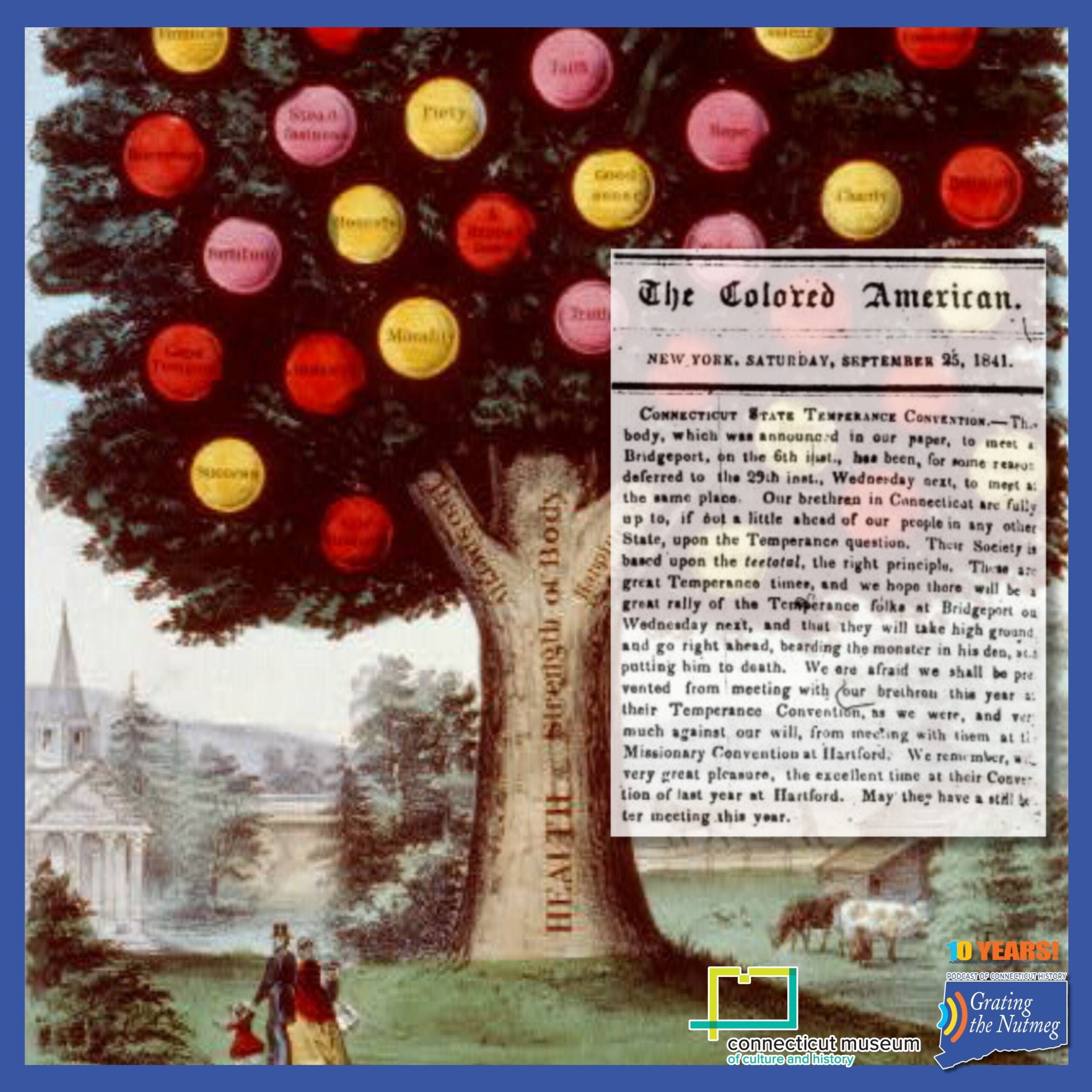
At first glance, alcohol and racial equality might seem unrelated—but for Black activists, the temperance movement was a powerful vehicle for social change. In this episode of Grating the Nutmeg, Natalie Belanger of the Connecticut Museum chats with Mackenzie Tor about her research into Black temperance activism in 1830s and 1840s Connecticut.
Listen: The ‘Great Temperance Times’ in Nineteenth-Century Black Connecticut
Like Grating the Nutmeg? Want to support it? Make a donation! 100% of the funds from your donation go directly to the production and promotion of the show.
Making History with Noemi Santana
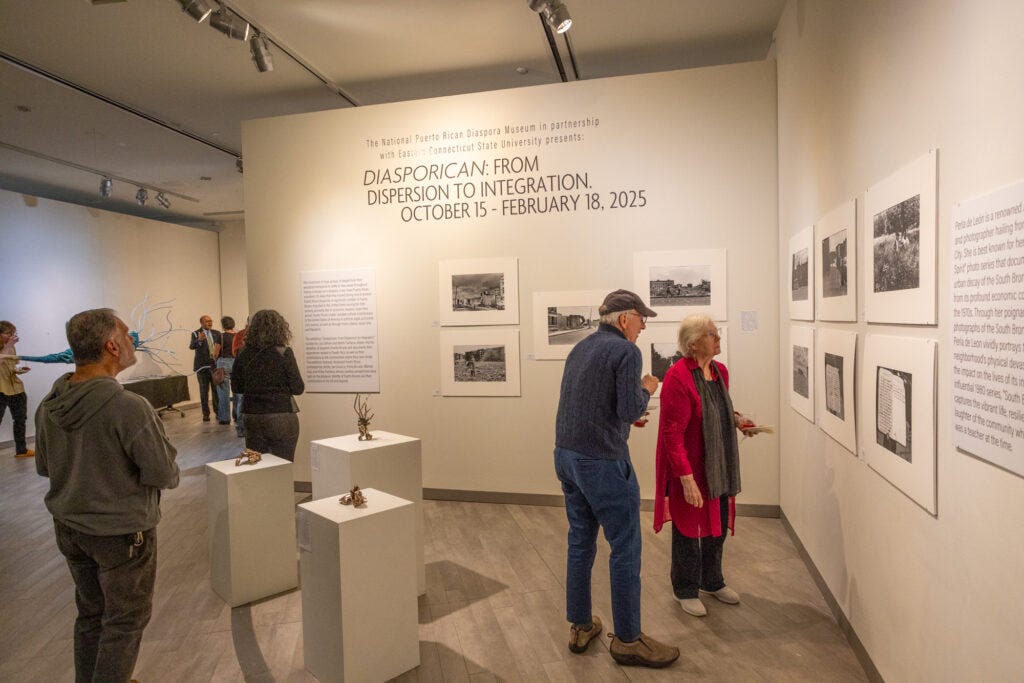
In our Winter 2025-2026 issue State Historian Andy Horowitz interviews Noemi Santana, founder of the National Puerto Rican Diaspora Museum.
Horowitz writes,“The museum’s first project, a traveling art exhibit titled Diasporican: From Dispersion to Integration, opened at Eastern Connecticut State University in 2024. The museum is currently collecting artifacts and oral histories to share on its website and, eventually, in a physical museum in Hartford—where a third of the city’s population, more than 40,000 people, identifies as Puerto Rican. According to the 2020 Census, the total number of Puerto Ricans in Connecticut is nearly 290,000. This is an edited and condensed transcript of my conversation with the museum’s founder, Noemi Santana, about her vision for the museum’s future and the diasporic history that informs it.”
Learn more about Santana’s past and her vision in our Winter 2025-2026 issue.
Visit the National Puerto Rican Diaspora Museum online at prdiasporamuseum.org.
A Pit of Vipers: Connecticut’s Copperheads and Bridgeport’s Farmer Riot
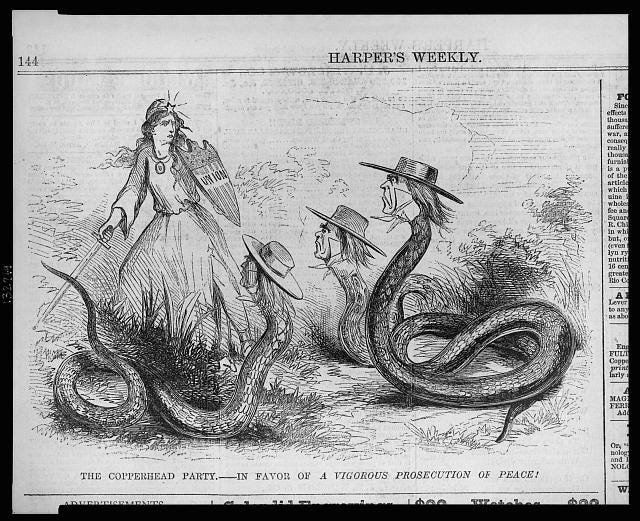
Media has the power to ignite and fuel a riot. In 1850, William Seymour Pomeroy, a Hartford native, established The Bridgeport Daily Farmer, a newspaper that was known to be highly critical of the abolitionist movement and appealing to pro-Confederate Northerners known as Copperheads.
Pettit writes, “The captured white peace flag had been thoroughly stained with dirt and dust by the time it reached Bridgeport. Unionists and Union veterans had dragged their prize behind a horse-drawn omnibus all the way from Stepney, a village in Monroe, Connecticut, and trampled it underfoot. To a bystander, the veterans’ procession looked more like a victory parade, with cheers ringing through the city as they passed. The noise attracted a crowd of thousands of excited Bridgeport citizens who raced to watch and joined them in their march through the city’s streets. ‘To the Farmer office!’ Several cries rose from the crowd. In moments, the Sterling Building on Main Street was surrounded by the agitated mob, which descended upon it like a swarm of angry hornets. ”
Running from the crowd, publisher and editor of The Bridgeport Daily Farmer and Advertiser, Nathaniel Stephen Morse had essentially helped set off the most well-known anti-Confederate riot in the state through his scathing writing against the Northern abolitionist cause.
Does our newsletter inspire you to want to dive deeper into Connecticut’s fascinating history? Connecticut Explored has options for everyone to enjoy.
Subscribe to our quarterly print magazine, delivered straight to your door. You’ll also have access to a digital PDF library of our magazines, right at your fingertips!
Click below to view our print and digital magazine subscription options!
Out and About: Working for the Revolution: Patriot Women's Lives During the War
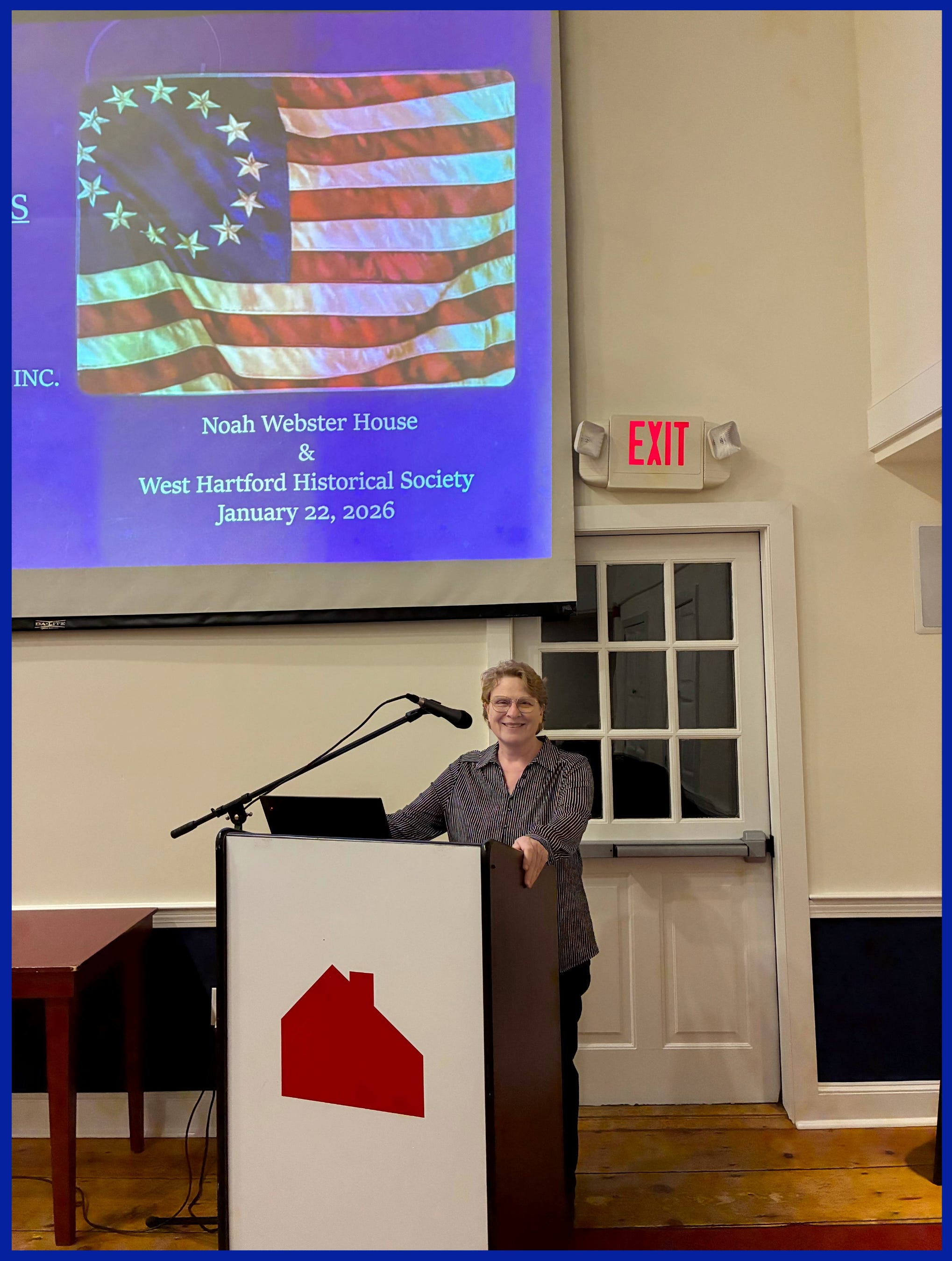
On January 22, CT Explored Publisher, Dr. Kathy Hermes gave a talk to a full house on "Working for the Revolution: Patriot Women's Lives During the War." Topics explored included how women contributed to the American Revolutionary effort politically, economically, intellectually, and even militarily. Using original sources like newspapers, court records, letters, and pension records, Dr. Hermes will showed how Indigenous, Anglo-European, and African-descended women all helped to further the Patriot cause.
Stayed tuned! Noah Webster House and West Hartford Historical Society, https://noahwebsterhouse.org/events/, has a full range of talks coming up to commemorate America's 250th.
Programs and Exhibitions to Enjoy This Season:
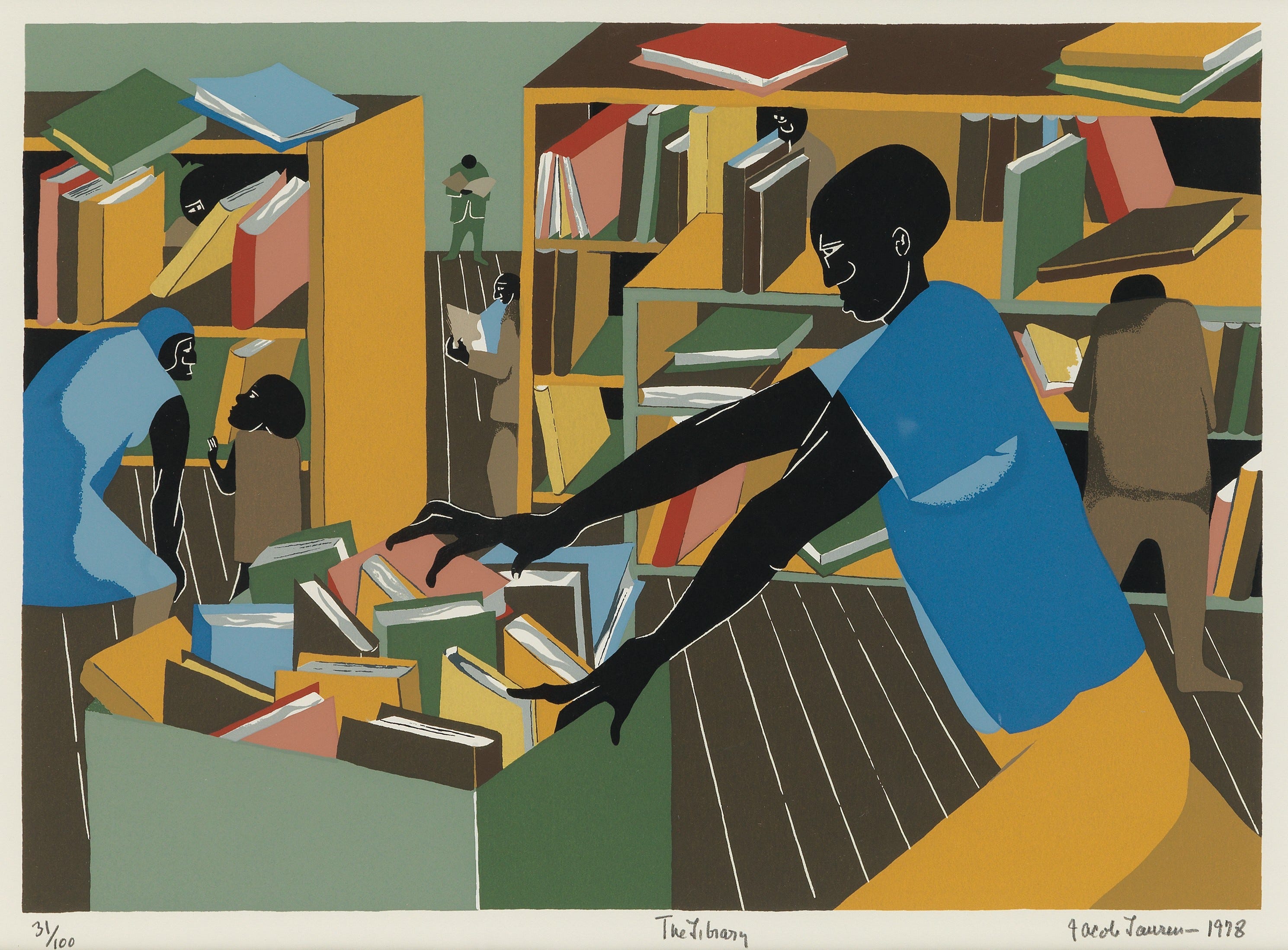
Winter Stories at the Mattatuck Museum
This winter, the Mattatuck Museum proves that storytelling isn’t just for books: art tells tales too. Gerald Saladyga, the 2025 Mixmaster winner, continues to captivate with works that blend imagination, humor, and reflection, inviting viewers to step inside his narrative worlds. Beau McCall’s evocative show, Buttons On, closing this January, offers a masterclass in visual storytelling through fashion-forward, wearable art crafted from buttons, blending pop culture commentary with social justice themes that spark reflection and conversation.
Looking ahead are the 2026 Mixmaster and New England Sculpture Association Juried Art exhibitions spotlighting local artists whose work weave many tales, alongside Staff Picks, a curated selection of standout pieces chosen by museum insiders. From emerging voices to established talent, the museum’s winter lineup turns every wall into a storyteller and every visit into a journey through creativity, curiosity, and community.
Art this season isn’t just seen- it is experienced, treasured, and remembered.
Mattatuck Museum, 144 West Main Street, Waterbury. Mattmuseum.org; 203-753-0381
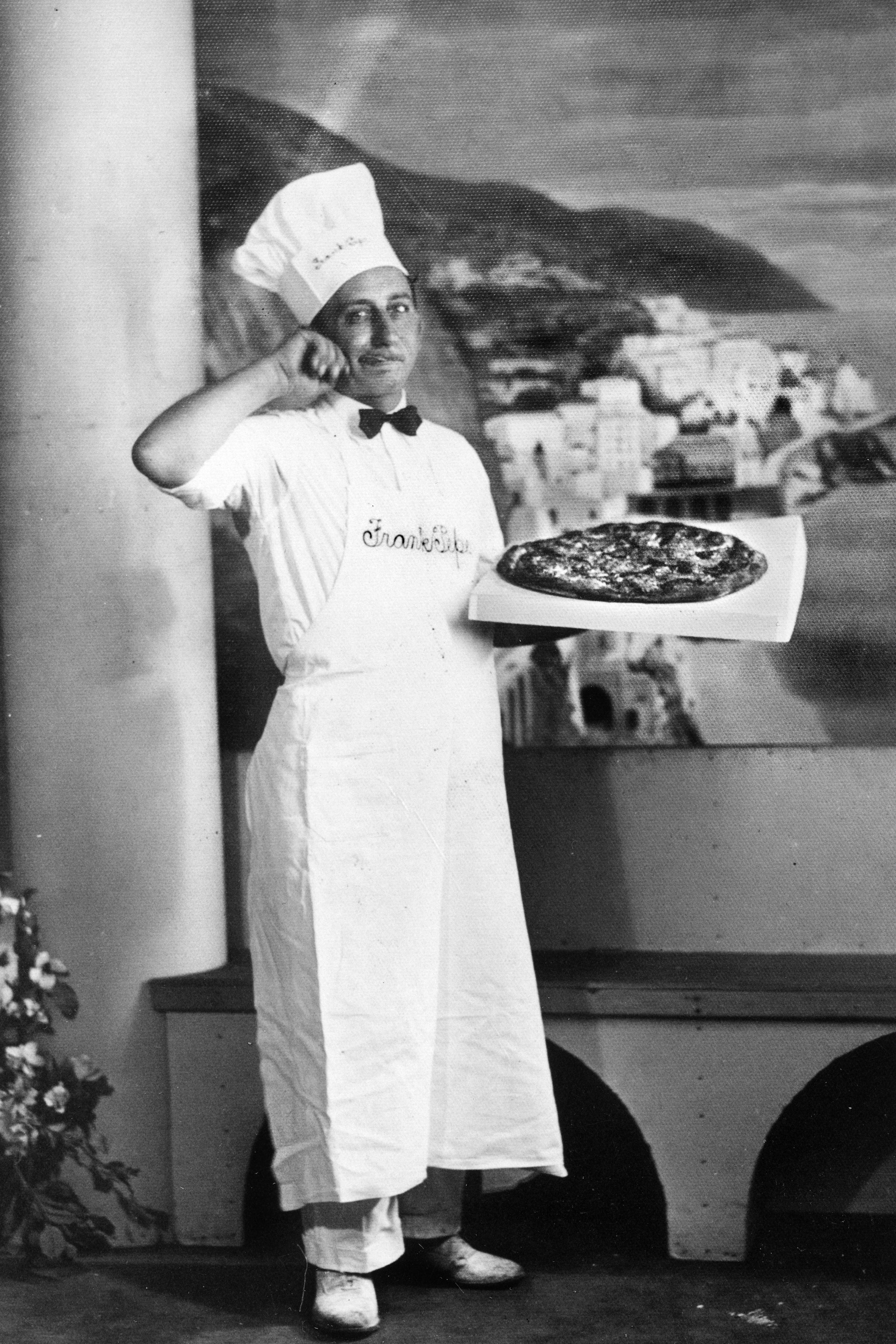
The History of Pizza, New Haven Style
From Frank Pepe’s original hat to celebrity-signed pizza boxes (including Gwyneth Paltrow and Yogi Berra!), if you love the crust, crunch and char of New Haven apizza, or simply have strong views on what makes for a great pie, you’ll find something to feed your pizza passion in the exhibit, “Pronounced Ah-Beetz,” at the New Haven Museum, on view through October 2027.
“Pronounced Ah-Beetz” examines the fun, flavor and history of pizza, including its origin as an affordable means of feeding workers in the fields of Italy, and the Italian migration that brought pizza to New Haven. While the exhibit highlights the “Big 3” – Frank Pepe’s Pizzeria Napoletana, Sally’s Apizza, and Modern Apizza—it extends to pizzerias throughout the area, presenting a picture of family, food and community.
New Haven Museum, 114 Whitney Avenue, New Haven. Newhavenmuseum.org; 203-562-4183
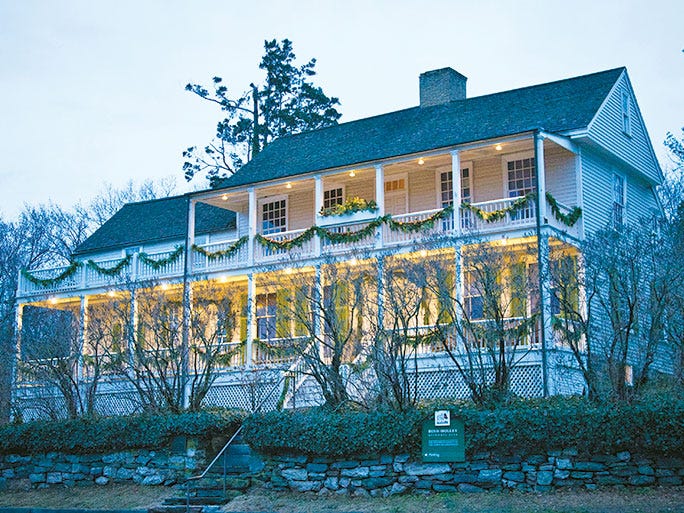
Greenwich History is American History
In conjunction with our nation’s commemoration of the 250th anniversary of the Declaration of Independence in 2026, Greenwich Historical Society reflects on the pivotal role of its storied campus and National Historic Landmark Bush-Holley House in Cos Cob, CT. Witness to the American Revolution and birthplace of American Impressionism, the 1730 structure will be closed to the public this winter while vital preservation work is completed. During this period, visitors can take special docent-led “behinds the scenes” tours in the archives for in-depth exploration of historic maps, photographs and ephemera in the collections. In addition to guided gallery tours of the current exhibitions on the Cos Cob art colony, “A Winter Walk in Cos Cob”, lantern-lit walking tours will highlight the beautiful landscape that inspired winter scenes painted by artists that frequented the Holley boarding house.
Greenwich Historical Society, 47 Strickland Road, Cos Cob. Greenwichhistory.org; 203-869-6899
Editor’s Picks:
Matthew Warshauer, “Connecticut’s Response to the Emancipation Proclamation” Connecticut Explored, Winter 2012-2013
Ruth Glasser, “Tobacco Valley: Puerto Rican Farm Workers in Connecticut” Connecticut Explored, Fall 2002.
Bruce E. Hawley, “P.T. Barnum Builds a City” Connecticut Explored, Winter 2021-2022.